Severe Weather Warnings Prompt Nationwide Alerts Across Australia
Australians surged online to track storm alerts, emergency warnings, and travel disruptions as severe weather swept across multiple states.
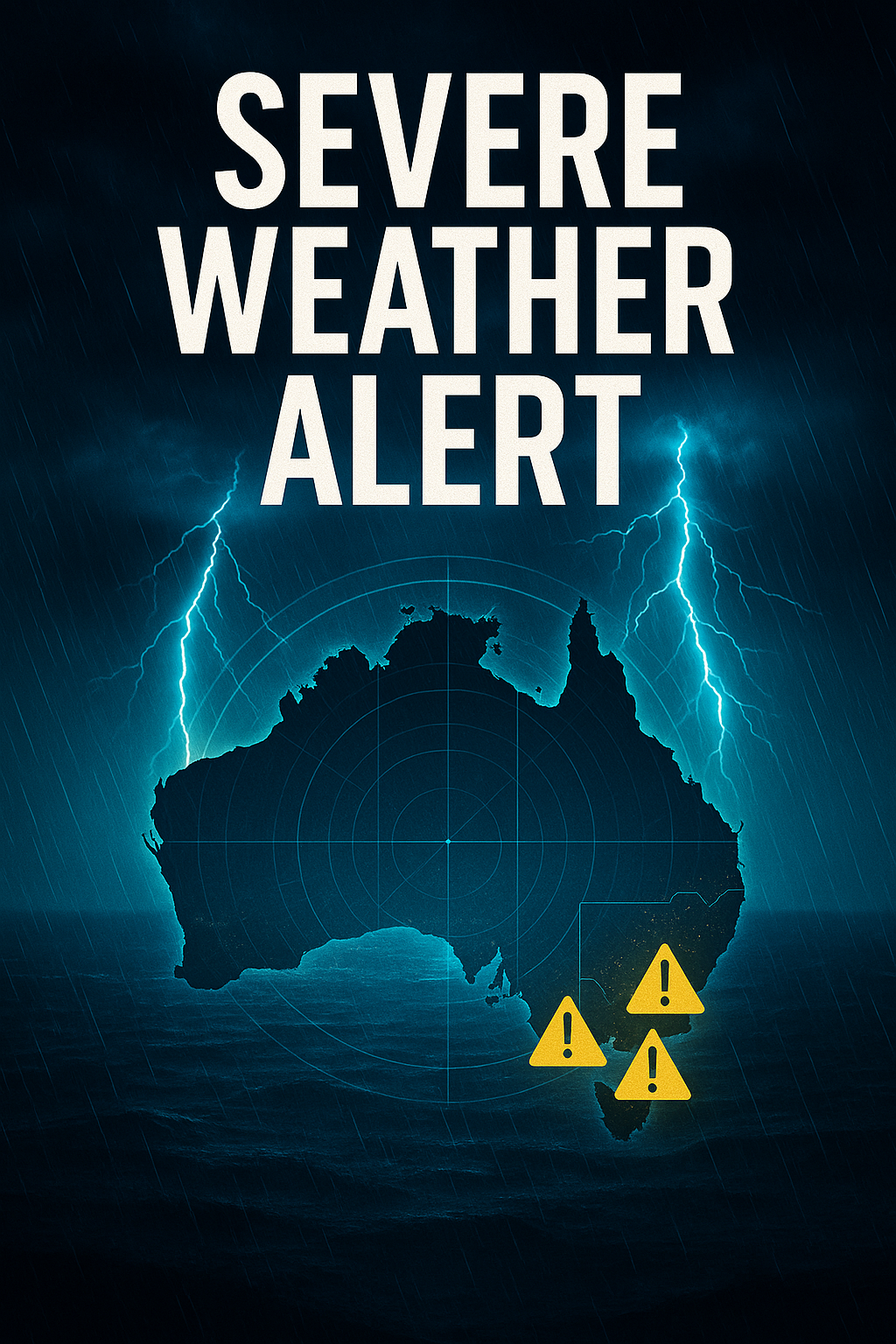
Severe Weather Warnings Prompt Nationwide Alerts Across Australia
Introduction
More than 20,000 Australians searched for weather warnings in the past 24 hours as severe conditions triggered alerts across multiple states. With forecasts predicting heavy rainfall, thunderstorms, and potential flooding, the spike reflects growing public concern and reliance on real-time digital updates during hazardous weather events.
Why It’s Trending
The surge began shortly after the Bureau of Meteorology (BOM) issued official warnings affecting major metro and regional areas. Local news outlets amplified the coverage, while live footage of lightning, flash flooding, and power outages circulated quickly on social media. Searches focused heavily on radar tracking, emergency routes, and forecasts for upcoming days, especially for travellers and commuters planning around storm systems.
Background or Context
Australia regularly experiences extreme weather during seasonal pressure shifts, and recent history—including multi-state flood events—has made residents more responsive to early alerts. Current conditions are being driven by moisture-laden systems moving across eastern Australia, with emergency agencies cautioning that saturated soil may increase runoff and flood risks.
Impact or Reaction
Emergency services urged residents to avoid low-lying roads, secure loose outdoor items, and stay informed through official channels. Airlines reported weather-related delays across major domestic routes, while councils issued park and beach closure advisories in high-risk areas. Social platforms became hubs for real-time updates, with residents posting rainfall measurements, storm footage, and reports of fallen trees and localized flooding.
Interest Over Time
Search interest climbed sharply after the first warnings were issued, peaking in the late afternoon as storm cells passed through major population centres. Engagement remained high through the evening and gradually declined overnight. The highest concentrations came from New South Wales, Queensland, and Victoria, reflecting areas most directly impacted by the storm activity. This trend shows a clear event-triggered spike rather than a long-term cycle of interest.
Trend Dynamics
The trend reflects urgent, utility-driven search behaviour. Top related queries included:
- "bom weather warnings"
- "severe storm alert"
- "nsw flood warning"
- "live weather radar"
Most queries indicate attempts to assess immediate personal risk rather than general news consumption.
Takeaway
This surge highlights Australians’ increasing dependence on digital platforms for real-time safety decisions, especially during rapidly evolving climate-driven weather events.